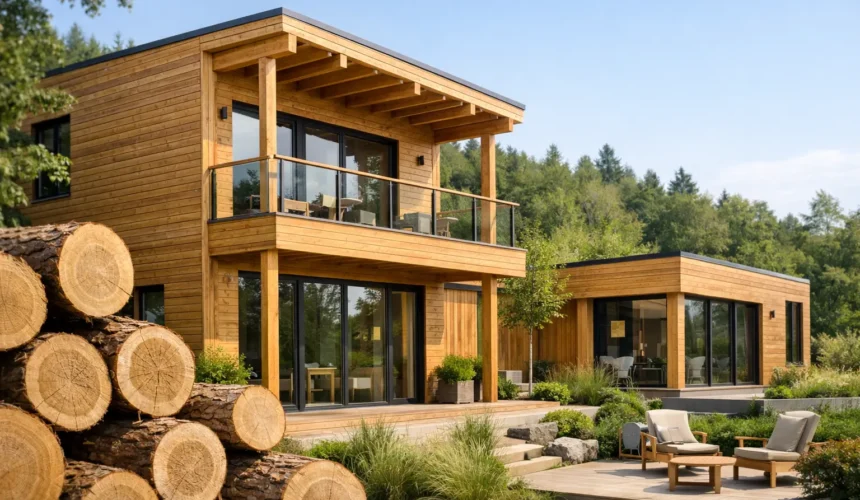
A timber building can look exceptional on day one and still raise awkward questions later if nobody can say where the wood came from. For homeowners investing in annexes, lodges, garden rooms or cabins, that matters. FSC certified timber buildings are not just a marketing line for the eco-conscious. They are a practical signal that the structure in your garden or on your land has been built with timber sourced through a recognised chain of custody, with clearer standards around forestry, traceability and responsible procurement.
For a premium building, that provenance should never be an afterthought. When you are spending serious money on a permanent structure, the quality of the timber and the integrity of the supply chain sit alongside design, insulation, engineering and workmanship.
What FSC certified timber buildings actually mean
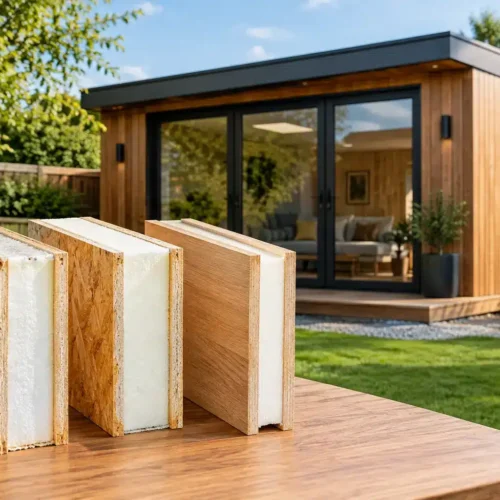
FSC stands for Forest Stewardship Council. In simple terms, it is a certification system that tracks timber from responsibly managed forests through processing, distribution and manufacture. If a company is supplying FSC certified timber buildings, it is saying that the timber used in those buildings comes through an audited system rather than an anonymous supply route.
That does not mean every timber building with FSC material is automatically superior in every respect. A poorly designed structure can still be poorly designed. Weak detailing, thin insulation or rushed installation will not be fixed by a good certificate. But FSC certification does tell you something valuable about the material supply behind the project. It shows the builder is prepared to work to a recognised standard rather than buying timber on price alone.
For discerning homeowners, that distinction matters. Permanent timber buildings are no longer treated as temporary extras tucked away at the bottom of a garden. They are workspaces, guest accommodation, annexes and lifestyle buildings expected to perform for years. The material choices behind them should reflect that level of intent.
Why certified timber matters in premium residential buildings
There is a difference between buying a building and commissioning one. If you are choosing a bespoke annexe or garden office, you are making a long-term decision about aesthetics, comfort, durability and property value. Timber sourcing belongs in that conversation.
FSC certified timber buildings appeal because they align environmental responsibility with build quality. Responsible forestry helps protect ecosystems and encourages better forest management, but from a homeowner’s perspective the benefit is broader than ethics alone. Certified supply chains tend to sit more comfortably with premium construction standards because they suggest discipline, accountability and consistency.
That is especially relevant in bespoke projects, where clients want confidence that the specification has been considered properly from the ground up. A design-led building should not be undermined by vague answers about materials. If the cladding looks beautiful but the origin of the timber is unclear, the finish starts to feel more superficial than it should.
FSC certified timber buildings and the question of trust
Most clients are not forestry experts, nor should they need to be. What they do need is confidence in the team delivering the project. Certification helps reduce ambiguity.
In practice, that matters because timber is often discussed in broad, flattering terms. Many buildings are sold as sustainable simply because they are made of wood. That is too simplistic. Timber can be a responsible material choice, but only when sourcing, design and construction are handled properly. FSC certification adds a level of credibility that unsupported claims cannot.
For homeowners comparing options, this can be one of the clearest signs that a company takes standards seriously. Businesses that invest in certified sourcing generally tend to think more carefully about specification, compliance and long-term performance. It is not proof of excellence on its own, but it is often part of the same mindset.
Good timber sourcing is only one part of a good building
This is where nuance matters. FSC certified timber buildings are worth seeking out, but certification should never be the only question you ask.
A well-built annexe or garden room depends on structural design, thermal performance, moisture control, workmanship on site and the quality of installation. Detailing around windows, roof build-ups, ventilation and floor systems has a direct effect on how the building feels to use in January, not just how it photographs in July.
That is why serious timber construction is different from a catalogue purchase. The best results come when certified materials are paired with proper design, engineering and build knowledge. Scandinavian-style timber construction, for example, has a strong reputation because it combines high-grade timber with proven methods for insulation, airtightness and longevity.
If a supplier talks confidently about certification but avoids discussing U-values, structural standards, planning support or compliance, the conversation is incomplete. Premium clients should expect both – responsible material sourcing and technical competence.
Why homeowners are asking harder questions
The market has matured. Buyers are better informed than they were even a few years ago, and they are less willing to accept vague sustainability language. They want to know how a building is made, how long it will last, how it will perform and whether the supplier can stand behind the product with more than polished visuals.
That shift is healthy. It pushes the industry towards better practice.
For homeowners planning an annexe for a relative, a dedicated home office or a fully insulated leisure building, the structure is often too important to leave to assumptions. It may need to satisfy planning requirements, building regulations or residential standards depending on its use. In that context, FSC certified timber buildings make sense because they sit within a wider expectation of accountability.
A serious building should have a serious paper trail, not just a persuasive brochure.
How FSC certified timber buildings support long-term value
Quality timber buildings are not cheap, and they should not pretend to be. When a structure is designed as a permanent addition to a property, value is judged over years rather than months.
Certified timber can support that value in two ways. First, it reassures buyers that the project has been approached with care rather than corner-cutting. Second, it contributes to the overall story of the building. If you later discuss the annexe, studio or lodge with valuers, buyers or family members, being able to point to traceable certified timber sits well alongside high insulation levels, bespoke design and professional installation.
This does not automatically translate into a simple pound-for-pound uplift. Property value is never that neat. But it does strengthen the case for the building as a credible, quality asset rather than a discretionary garden add-on.
That distinction becomes even more relevant for annexes and accommodation buildings, where permanence, compliance and construction standard are under closer scrutiny.
What to ask before choosing a timber building company
If FSC certification matters to you, ask direct questions and expect direct answers. Does the company use certified timber as standard or only on request? Can it explain the scope of that certification clearly? How does timber sourcing sit within the rest of the specification?
You should also look at the bigger picture. Ask who designs the structure, who installs it, how the groundworks are managed and what standards the building is designed to meet. A genuinely premium provider will be comfortable discussing all of this. Certification should form part of a coherent building philosophy, not a loose claim added at the sales stage.
This is one area where a full-service specialist has a clear advantage. When design, engineering, sourcing and installation are managed properly, there is far less room for compromise between what is promised and what is delivered. That joined-up approach is a large part of The Stomhaus Standard.
The real point of choosing FSC certified timber buildings
At its best, certification is not about adding a badge to a product. It is about making better decisions at the start of a project so the finished building stands up to scrutiny later.
Homeowners commissioning bespoke timber spaces want beauty, of course, but they also want assurance. They want to know the walls, floors and roof have been created from materials selected with care. They want a building that reflects considered design rather than fast turnover. And they want confidence that the company behind it understands quality as something built into the process, not applied at the end.
FSC certified timber buildings will not replace good architecture, skilled installation or proper technical detailing. What they do offer is a stronger foundation for all three. And when you are creating a building that should feel permanent, comfortable and well judged for many years, that is exactly where the right project should begin.